


Best Camera Phones of 2026: Top-Rated Smartphones for Photography
Description
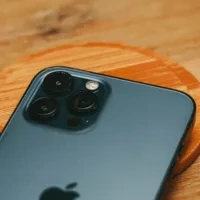
The camera island on the back of every new flagship instantly grabs your attention. The simple megapixel race is long over. Today, manufacturers focus on larger sensors, premium optics, and advanced computational photography. The gap between dedicated cameras and smartphones has become incredibly small. In 2026, the market offers excellent options for every type of photographer. We've rounded up seven of the best camera phones that can impress even demanding users.
Vivo X300 Ultra
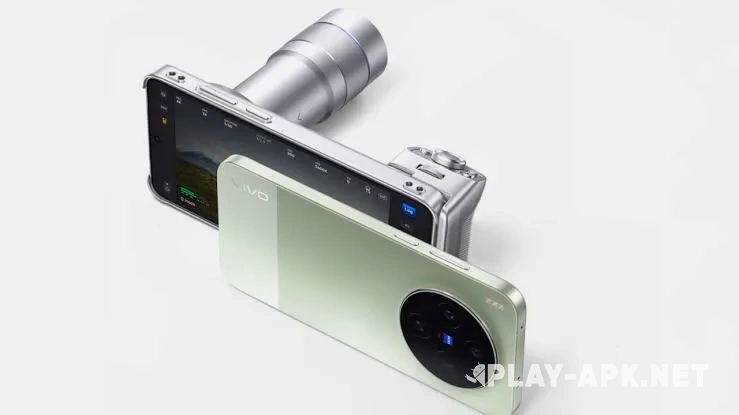
Vivo positions the X300 Ultra as a true pocket camera. The rear system features three Zeiss-powered cameras. The primary 200 MP Sony LYTIA 901 sensor uses a natural 35 mm focal length. It is paired with a 200 MP periscope telephoto camera featuring gimbal stabilization and a 50 MP ultra-wide camera.
The standout feature is the Professional Imaging Kit. Users can attach a camera grip along with two physical Zeiss teleconverters. These accessories provide true optical focal lengths of 200 mm and 400 mm. A dedicated 5 MP spectral sensor ensures highly accurate color reproduction and natural skin tones.
Oppo Find X9 Ultra
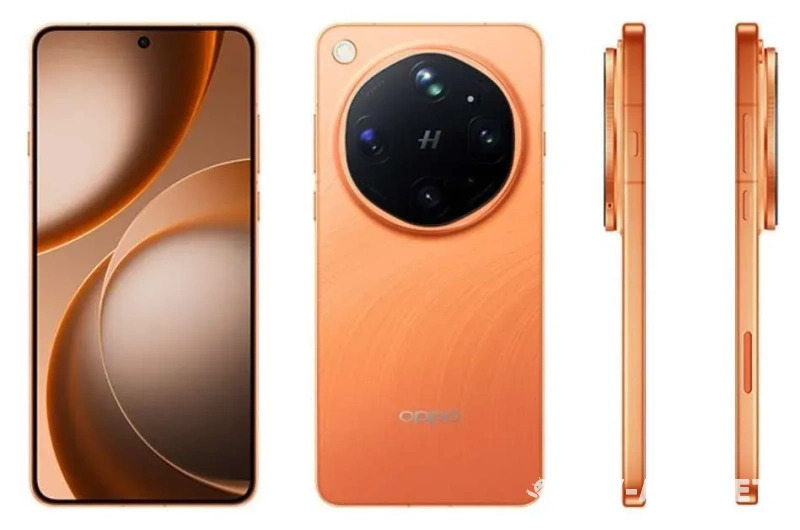
Oppo continues its close partnership with Hasselblad. Beneath the premium eco-leather finish sits an impressive camera system. The main camera features a 200 MP sensor, while the matching 200 MP telephoto camera delivers up to 10x lossless zoom.
Oppo's LUMO optical technology preserves exceptional detail in every shot. Hasselblad Master Mode produces images with the signature look of classic film photography. For maximum creative control, users can also purchase an optional kit that includes a camera grip, teleconverter, and a 67 mm filter adapter.
Apple iPhone 17 Pro
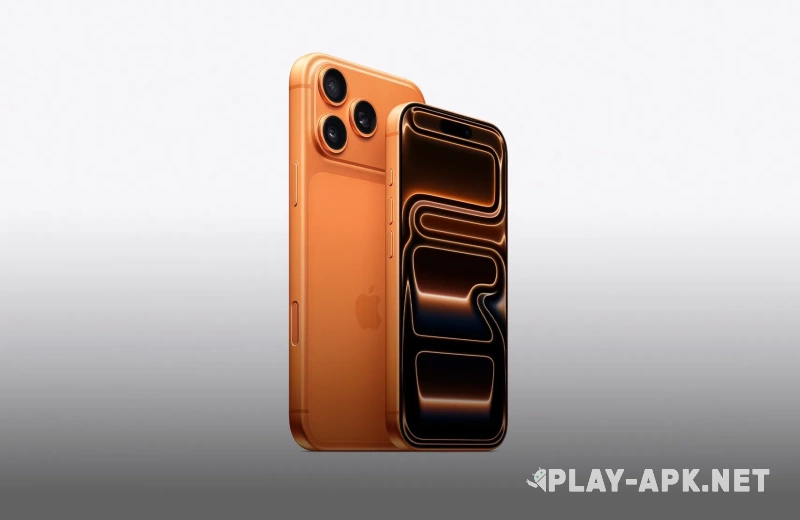
Apple's latest flagship continues with a triple 48 MP camera system. The primary Fusion camera works alongside an ultra-wide lens and an upgraded telephoto camera. The larger telephoto sensor enables sharp 4x and 8x zoom with impressive detail.
The A19 Pro chip powers Apple's Photonic Engine for advanced image processing. The dedicated Camera Control button makes it easy to adjust exposure, depth of field, and photographic styles. An upgraded 18 MP front camera with a square sensor offers a wider field of view, while 4K Dolby Vision recording at 120 fps remains one of the industry's strongest video features.
Samsung Galaxy S26 Ultra
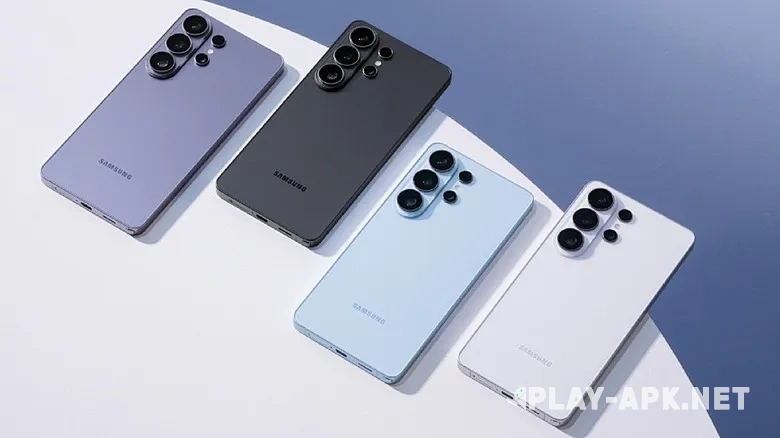
Samsung's newest flagship focuses heavily on low-light photography and professional video. The 200 MP main camera now features a brighter f/1.4 aperture, while the 50 MP ultra-wide camera uses an f/1.9 lens.
The improved optics capture significantly more light before any software processing takes place. Night photos and videos look cleaner and more natural with less aggressive image enhancement. Video creators also benefit from support for the new APV codec, which delivers high-quality compression with minimal loss. An upgraded front camera image processor produces more natural-looking skin tones in difficult lighting.
Xiaomi 17 Ultra
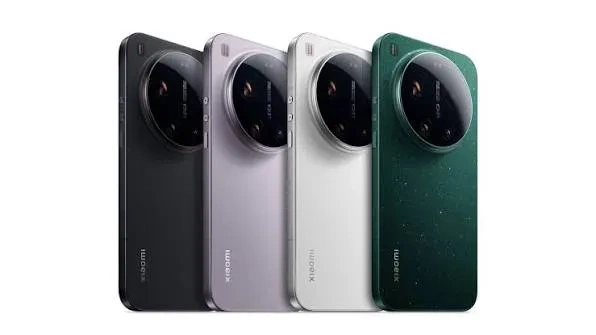
Xiaomi's collaboration with Leica continues to pay off. The Xiaomi 17 Ultra retains its recognizable circular camera module, featuring a 1-inch primary sensor with a variable aperture. Three additional 50 MP cameras handle ultra-wide and telephoto photography.
Xiaomi's proprietary Surge imaging chip delivers Leica's signature contrast and color rendering. Shutter response is nearly instantaneous, making it easy to capture fast-moving subjects. An optional Photography Kit transforms the phone into a compact camera with a two-stage shutter button and a dedicated zoom dial.
Google Pixel 10 Pro XL
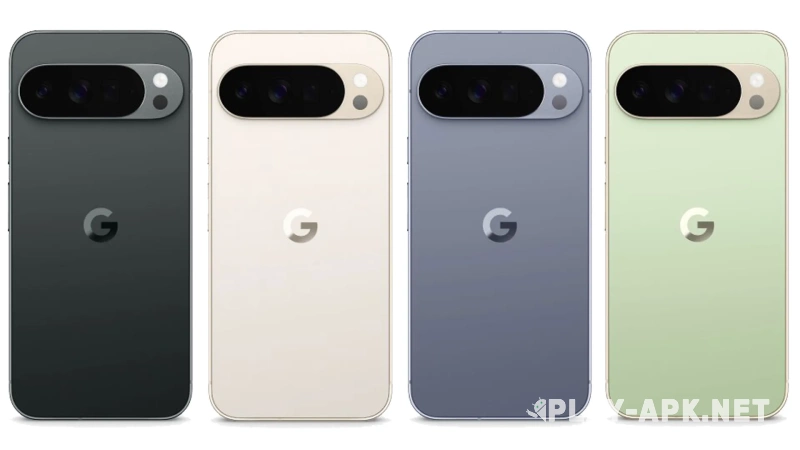
While competitors focus on hardware accessories, Google continues pushing computational photography. The camera system includes a 50 MP main sensor, a 48 MP ultra-wide camera, and a 48 MP telephoto lens with 5x optical zoom.
Powered by the Tensor G5 chip, the phone introduces several AI-powered camera features. Camera Coach provides live composition and lighting suggestions while shooting. Auto Best Take and Magic Cue make it easier to perfect group photos. The system also supports up to 100x digital zoom and AI-assisted 8K video processing.
Vivo X300 Pro
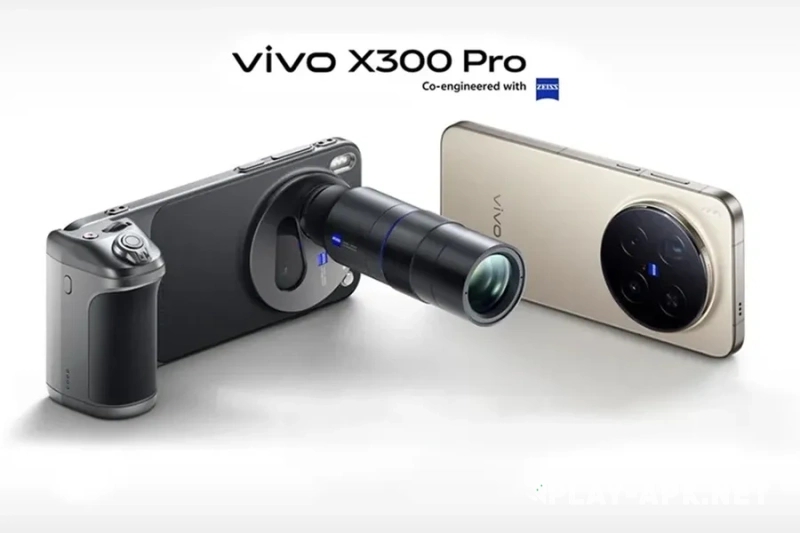
The Vivo X300 Pro is an excellent alternative for users who don't need the Ultra model. It is the first smartphone to feature Sony's new 50 MP LYT828 primary sensor. The camera setup also includes a 50 MP ultra-wide camera and a powerful 200 MP periscope telephoto lens.
Dual dedicated imaging chips, V3+ and VS1, enable cinematic 4K HDR portrait video with advanced processing. The phone also supports optional Zeiss optical accessories, giving photographers more creative flexibility at a lower cost than the Ultra model.